It’s rare, specifically of jazz musicians and composers, to relisten to their older recordings and revisit their younger selves through song. And it’s virtually unheard of for them to revive and reinvent past albums.
A decade after the release of his debut album, Homecoming (2015), that’s exactly what bassist, composer, bandleader (educator, arranger, the list is endless) Benjamin Jephta’s done, with Homecoming Revisited (2025).
“Going back to Homecoming felt less like nostalgia and more like finishing a conversation I started at 25,” he explains thoughtfully. At 35, Jephta brings a decade of artistic growth, experience, and expression to his music and explains, ironically, “Writing a brand-new album would’ve been easier; reimagining this one let me honour where I began while telling the story with the tools I have now.”

To scan the album’s tracklisting is to rattle off a cross-generational who’s who of the local jazz scene, a no-doubt intentional mix of musos. “Our scene is strongest when lineage and innovation share the same room,” he reasons, “The elders carry memory and feel; the younger generation bring urgency, new references, and a fearless approach.”
Jeptha’s arrangements were created so that those voices could meet, so that knowledge could travel both ways, “pocket forward, horns in conversation, percussion interlocking,” he relates.
Opener “Prayer for…”preaches an anthemic intro, a combination of spoken verses and a powerful melody that almost pleads, and builds to a resolution that never comes. A distinctly South African gospel sound meets Cape jazz guitar (Keenan Ahrends), energetically pushed forward with playful perfcussion (Gontse Makhene) and a driving goema backbeat in “Hymn for Ada.” Kujenga holds down the harmony and creates a foundation for Marcus Wyatt (trumpet), Buddy Wells (saxophone), and Justin ‘Bebop’ Bellairs (saxophone) to blow (and I mean blow!) over!
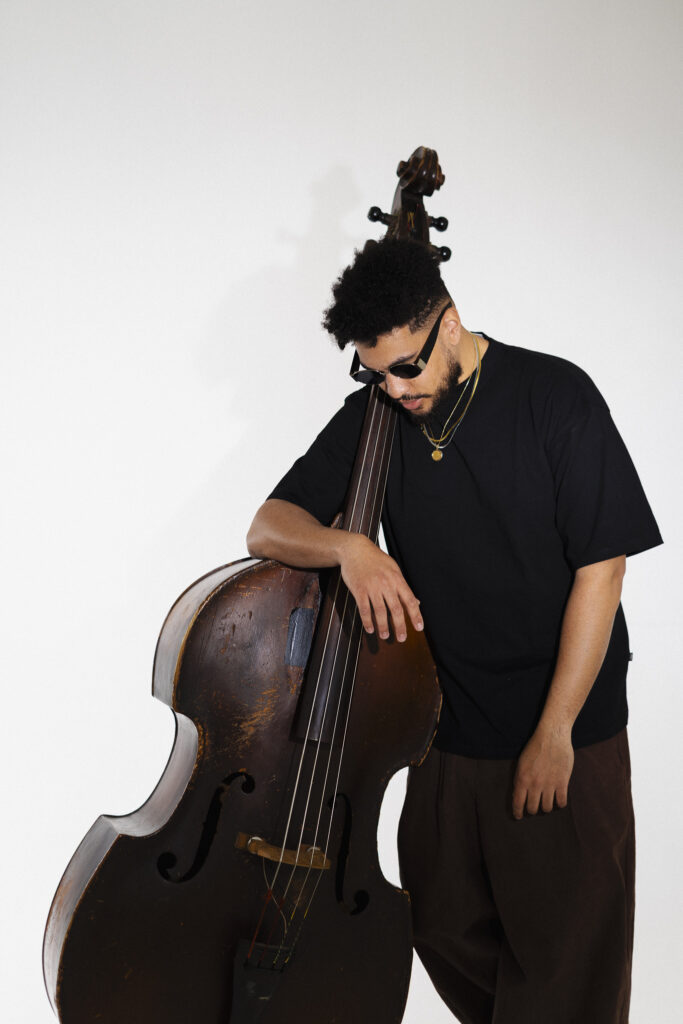
The sound grows more sombre with “The Blessing,” a song that highlighths the musical connection Jeptha and Kujenga have—they’re speaking the same language with different accents. What you may not realise is that Jeptha is also playing keys on this track (many of the tracks, actually) but it’s his melodic, spacious bass solo that hits me in the feels and takes the listener on a journey of acknowledgement and appreciation.
“Still I Rise”is a two-part, approaching a similar message from two very different emotional angles. It takes a second to understand what’s happening with the rhythmic feel in Part 1 but by the time the drummer (Leagen Starchild) drops in, you realise your head’s already bopping. The horn section feels powerful and extra ballsy, accompanied by the tastiest percussion, and then Linda Sakhakane (tenor saxophone) and Ndabo Zulu (the most stylish man on a trumpet since Miles) play moving solos and crescendo into an abrupt ending. Except it’s not abrupt. In fact it segues smoothly into Part 2, which carries a different energy but consistent message. And with the first hum, I recognise Jodi Fredericks’s phenomenal voice, singing increasingly complicated melodic variations of “I am not afraid, won’t run away, my ups and downs don’t define me.” Interesting decision to place the award-winning Darren English (trumpet) quite far back in the mix, but then again, Fredericks is just as deserving of the spotlight.
Kujenga takes a step back in “One for the Plein” and makes way for a heavenly sonic texture created by Flute (Mthunzi Mvubu) and vocals (Siya Makuzeni), and the woodwinds. It’s a shoutout to Jeptha’s hometown, Mitchell’s Plein, that honours jazz but, halfway through, gives an equally honourable nod to hip hop.
If “Homecoming (Part 1)”commences on a mission to groove and move you—Bokani Dyer keys solo and Sisonke Xonti’s sax-playing on this are both magnificent without being too serious. If Part 1 is the celebration, then Part 2 is the moment of reflection. Part 1 says “I’m back bitches!” while Part 2 introspectively says, “This familiarity is exactly what my soul needed.”

It’s clear that this is the kind of album you listen to from top to toe, no skipping, no shuffle, ‘cause all the energy from the previous eight tracks culminates in “Be Strong,”and The Brother Moves On’s Siyabonga Mthembu aka Hymnself (vocals) makes a most welcome appearance alongside Siya Makuzeni. The restraint Dyer’s exercised in his previous feature is gone as he plays a mind-blowing piano solo with lines that never end, followed by Sikhakhane’s spiritual sax solo, and Sphelelo Mazibuko’s drums feature.
What’s crazy is that every single person on the album is a strong solo artist in their own right, and for them to come together in this way, speaks to the power of music and, more specifically, the beauty and opportunity in jazz. Old meets new. Voice meets horns. Pleas meet clarion calls. Black American tradition and vocabulary meets African harmony and rhythm.
His music is as much poetry as it is political, and Jephta says it best as he shares the stance he’s taking with this album, “Community has value, and joy is not naive—it’s a form of resistance. Homecoming Revisited insists on belonging, on crediting the ecosystem that raised me, on archiving our present so it isn’t erased.”
Photos courtesy of Photocol Media.