Cape Town’s club culture has always thrived in the in-between: between genres, between scenes, between local intimacy and global conversation. The collaboration between Airy Collective and iMullar Sound System feels less like a booking exchange and more like a deliberate meeting point for those overlaps. Landing at Texas on 3 January, with an after-hours continuation at Club Paradise next door, the event marks a cross-scene alignment rooted in shared values. It’s an exchange shaped by movement, sound system culture, and the people actively redefining African electronic music from within.
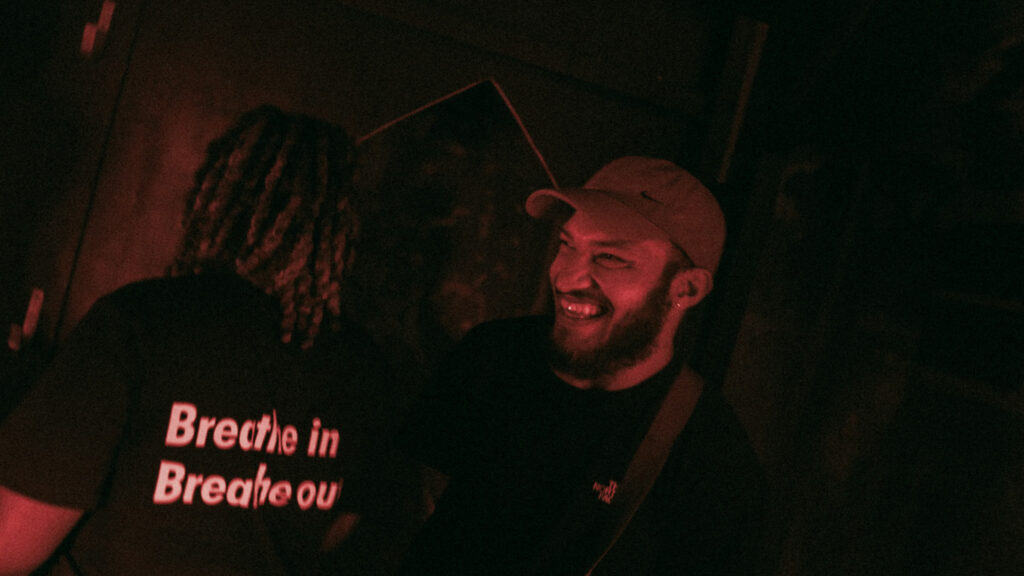
Airy Collective has spent the past few years quietly energising Cape Town’s youth-driven music ecosystem, prioritising African electronic sounds, local storytelling, and spaces that feel intentional rather than extractive. Their work has consistently centred access and community, positioning the city not as a trend to be mined, but as a living, evolving contributor to global dance culture. On the other side of the collaboration, iMullar Sound System (IMSS) arrives with a decade-long commitment to documenting and translating alternative club culture across borders. Born in Accra and shaped through its ENERGY Series, IMSS is less interested in fixed genres than in what happens when a crowd moves as one — extended DJ sets unfolding across house, amapiano, techno and experimental electronics, guided by feel rather than formula.

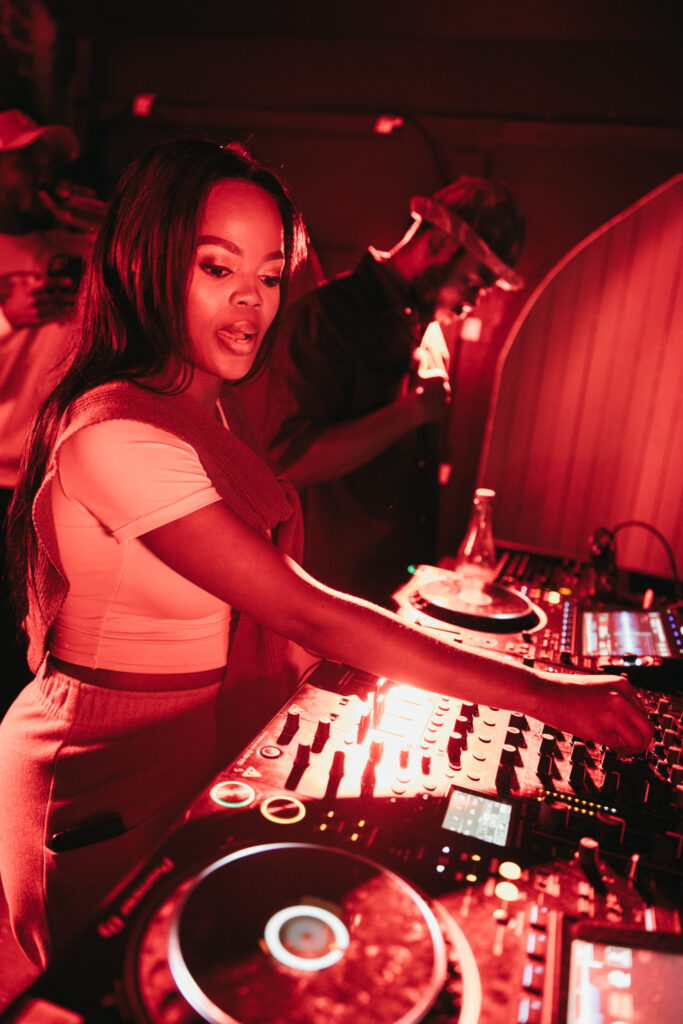
The lineup reflects that shared philosophy. Thakzin anchors the night alongside a first-ever back-to-back between Surreal Sessions and Omaqoga, a pairing that quietly signals new connective tissue between distinct sonic practices. Elsewhere on the bill, Mila b2b Soulchoke and selector Tashinga represent different layers of Cape Town’s club identity, while international guests We Are All Chemicals and Via Seri extend the exchange outward.
“This collaboration is bigger than a single night,” says Airy Collective. “It’s about honouring the city that raised us, the artists who shape its sound, and the culture that continues to influence how African electronic music is heard and felt.” What makes this collaboration resonate is its refusal to frame itself as a one-off “moment.” Instead, it operates as a marker of a scene in constant flux, one that understands dance floors as sites of continuity, care, and experimentation – a reminder that the most meaningful nights are often the ones built on shared purpose rather than hype.
Tickets are available now via Quicket.